 contact@ibhm.us
 +1 866 362 4246

Achieve Hormone Balance and Mental Health to Understand the Intimacy Between Mood Swings and Molecules

Contents:
Is There a Connection Between Hormone Balance and Mental Health?
Understanding the Science of Hormones and Mental Health
The Physiology and the Signs and Symptoms of Poor Hormone-Mental Health Connection
Fix Your Hormone Balance and Mental Health—An Integrative Behavioral Health Approach
Hormonal Testing
Nutritional therapy
Lifestyle Modifications
Mindfulness Practices
Supplements
Restore Hormone Balance and Mental Health Naturally With Integrative Medicine
The human body is a well-orchestrated interplay of over 50 essential hormones. These chemical molecules impact everything from hunger, thirst, digestion, sleep, moods, sex drive, reproduction, and every activity you can think of. While some hormones have an immediate impact, others, such as insulin and the thyroid hormone, function in the background to keep you healthy, physically and mentally. Thus, understanding hormone balance and mental health is more critical than you know.
The next time you think it’s ‘just age’ or ‘just stress,’ think again, and act on it.
Integrative medicine as a functional solution offers natural ways to restore hormone imbalances to improve mental health, reducing your dependency on lifelong pills and restrictions.
The end goal of hormones is ‘homeostasis,’ that is, maintaining balance in the body—a balance of all body processes, functions, and emotions. Hormonal imbalances like thyroid disorders, PCOD (Polycystic Ovarian Syndrome), high cortisol levels, poor melatonin, low serotonin, etc., not only affect your physical health but also your mind, and we’ll see how.
Studies have linked a direct relationship between hormones and mental health.
For example, female hormones such as estrogen, progesterone, FSH, and LH naturally fluctuate with the menstrual or reproductive cycle. These normal fluctuations are connected to mood changes. In case of a pathological imbalance or if you have heightened sensitivity, like in menopause, PCOS, Premenstrual syndrome, premenstrual dysphoric disorder (PMDD), and Postpartum depression, can lead to serious mental implications, like low energy levels, depression, irritability, mood highs and lows, etc.
Male hormones like testosterone, often associated with male health, are also present in both sexes and can affect mental health in both sexes. In men, low levels can lead to fatigue, low mood, and reduced motivation. For women, it greatly impacts energy and emotional well-being.
Cortisol is a hormone that is released in response to stress and alerts your body to danger. When chronically high or consistently low, it can affect mood and cognitive function.
The thyroid hormones control metabolism and energy. Both underactive (hypothyroidism) and overactive (hyperthyroidism) thyroids can also unbalance mood, cognition, and memory. Thyroid imbalance has been linked to brain fog, poor cognition, low energy, and more.
Poor mental health can cause over $1 trillion in loss of productivity a year in the USA. So, yes, if there is a natural, organic, and sustainable way to restore mental health by fixing its underlying causes, like hormonal imbalances, then let’s chase it.
Integrative medicine opens new doors to maintaining hormone balance and mental health. Integrative medicine uses alternative, natural, and functional techniques to complement traditional mental health treatments.
The technique is slow and sustainable, equips you to heal from within, naturally resets the hormone balance, and, in turn, reverses poor mental health.
Over time, it reduces the dependency on lifelong medications and improves the quality of life.
The different ways your naturopathic doctors will help reduce the impact of hormones on mental health:
As first steps, soon after clinical exams and thorough medical records, we advise testing to confirm/eliminate certain factors that cause hormonal imbalances. These include:
Testing hormone levels in the blood - thyroid, cortisol, testosterone, estrogen, progesterone, FSH, and LH, serotonin, dopamine, etc., can be measured. The DUTCH test (Dried Urine Test for Comprehensive Hormones) provides a complete hormone picture.
Testing for food sensitivities.
Verifying nutritional deficiency.
Testing for allergens.
Checking heavy metal exposures and mold toxins in the blood.
Based on the results, integrative medicine can draw up a detailed diet and lifestyle plan and also suggest supplements.
The food sensitivities, deficiencies, and blood profile will help us plan your diet.
Nutrient-dense foods, rich in omega‑3s, B‑vitamins, magnesium, zinc, and leafy greens support neurotransmitters and endocrine health.
Supporting gut health with a good dose of probiotics (yogurt, buttermilk) and prebiotics (fibre-rich food) can support thyroid, cortisol, and sex hormone-related concerns.
Diets high in fiber and modeled after the Mediterranean style, along with foods containing dietary phytoestrogens (bioactive compounds that mimic estrogen-like functions), may help lower inflammation in the body and improve hormone balances.
It is not always about what you eat, but also how you eat.
Fixing food combinations, meal times, sequence ,and proportions can help better absorb the nutrients, slowly restoring hormonal ‘homeostasis,’
Striking a hormonal balance is more than just fixing one issue; it demands a ‘holistic’ approach, a focus on whole‑person lifestyle interventions.
This includes:
Stress reduction techniques, reducing screen time, breathing exercises, daily exercise, and building hobbies, can help.
Sleep hygiene.
Movements and outdoor activities; practice moderate exercises like yoga, walking, and jogging.
Reduction of sedentary habits.
Living a clean life to eliminate household molds and toxins.
Limiting alcohol/caffeine intake.
Mind‑body techniques help bring out the real benefits of nutrition and lifestyle modifications. It helps to emotionally ground the stress response and imbalances in the body.
It helps reduce cortisol, supports the GABA/serotonin systems, and eases anxiety or mood swings tied to hormonal shifts.
Meditation, mindfulness meditation, and yoga are some of the well-known mind‑body practices that can fix hormonal issues.
Needless to say, supplements are sometimes necessary. Compounds like ashwagandha, curcumin, maca roots, etc., are routinely used to boost hormonal health. They support hormone synthesis and stress regulation. Our naturopathic doctors will regularly monitor doses and adjust intake accordingly.
Hormones, as defined, are truly the chemical messengers in the body.
They can either carry the wrong message of distress, anxiety, depression, and cognitive issues, or the right one about happiness, making you feel strong and beautiful. With integrative medicine for hormone balance and mental health, you can now find out the real reason behind the bad days and bad moods and work on feeling better whilst healing internally.
Learn more with our expert naturopathic doctors and say goodbye to this hormonal circus for good.
We have some of the best doctors and therepists on our panel. We are here to provide the best care for you. Although we may not be always perfect, but we strive to provide the best care and experience to our patients.























We are in network with most major insurance providers in California. If you do not see your insurance provider here, please call us. We may still be able to serve you. All our providers can provide services on cash basis as well. NOTE: Our naturopathy services are not covered by any insurance, and is a cash only service.
















Struggling to stay focused or organized? Here are simple answers to help you understand ADHD and handle everyday situations better.
Read More
A closer look at how constant AI exposure shapes stress, mood, and mental well-being in the digital age.
Read More
.
Read More

Bridging Conventional and Complementary Approaches
Read More
Feeling low, tired, or not like yourself lately? Here are simple answers to help you understand depression and what it can look like in everyday life.
Read More
Anxiety and Integrative Medicine - Healing Anxiety and Its Causes Inside Out
Read More
Naturopathy in Modern Integrative Healthcare
Read More
Understand the signs, communication struggles, emotional challenges, and practical ways couples can build healthier, more supportive relationships when ADHD affects marriage and daily life.
Read More
When Trauma Prevails—How to Manage PTSD With Integrative Medicine
Read More
Achieve Hormone Balance and Mental Health to Understand the Intimacy Between Mood Swings and Molecules
Read More
ADHD treatment
Read More
The Transformative Role of Supplements
Read More
LGBTQ Issues
Read More
Nutrition in Complementary and Alternative Medicine
Read More
Harnessing Holistic Healing for Mental Health Success, an in-depth explanation
Read More
Exploring how short-form content is shaping mental health awareness, ADHD and anxiety education, and digital outreach in California
Read More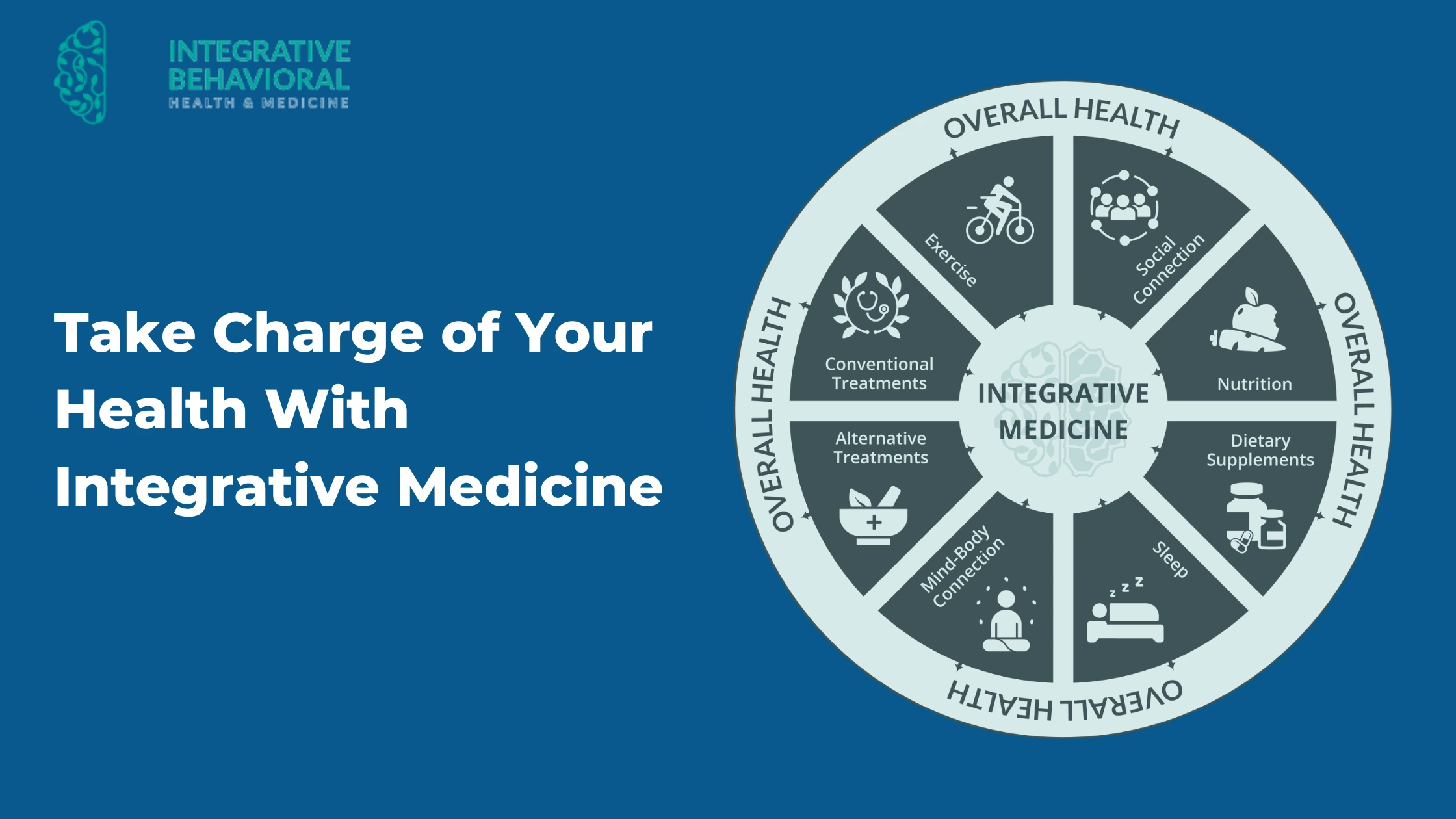
Supporting Your Health Through Evidence-Based Integrative Care
Read More
Treatment of depression using Integrative Medicine
Read More
A Comprehensive Guide
Read More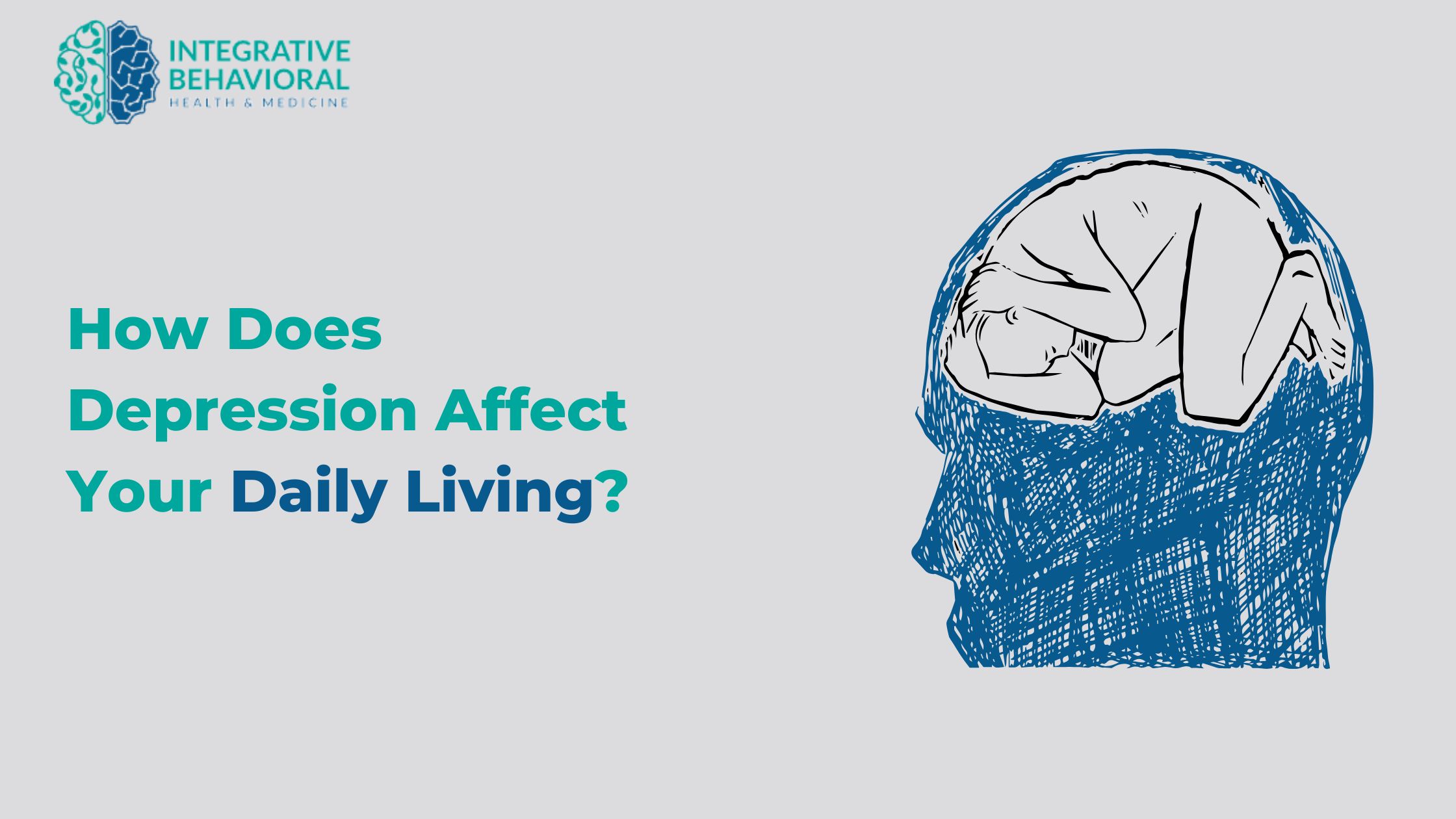
Understand the real impact of depression and ways to seek support.
Read More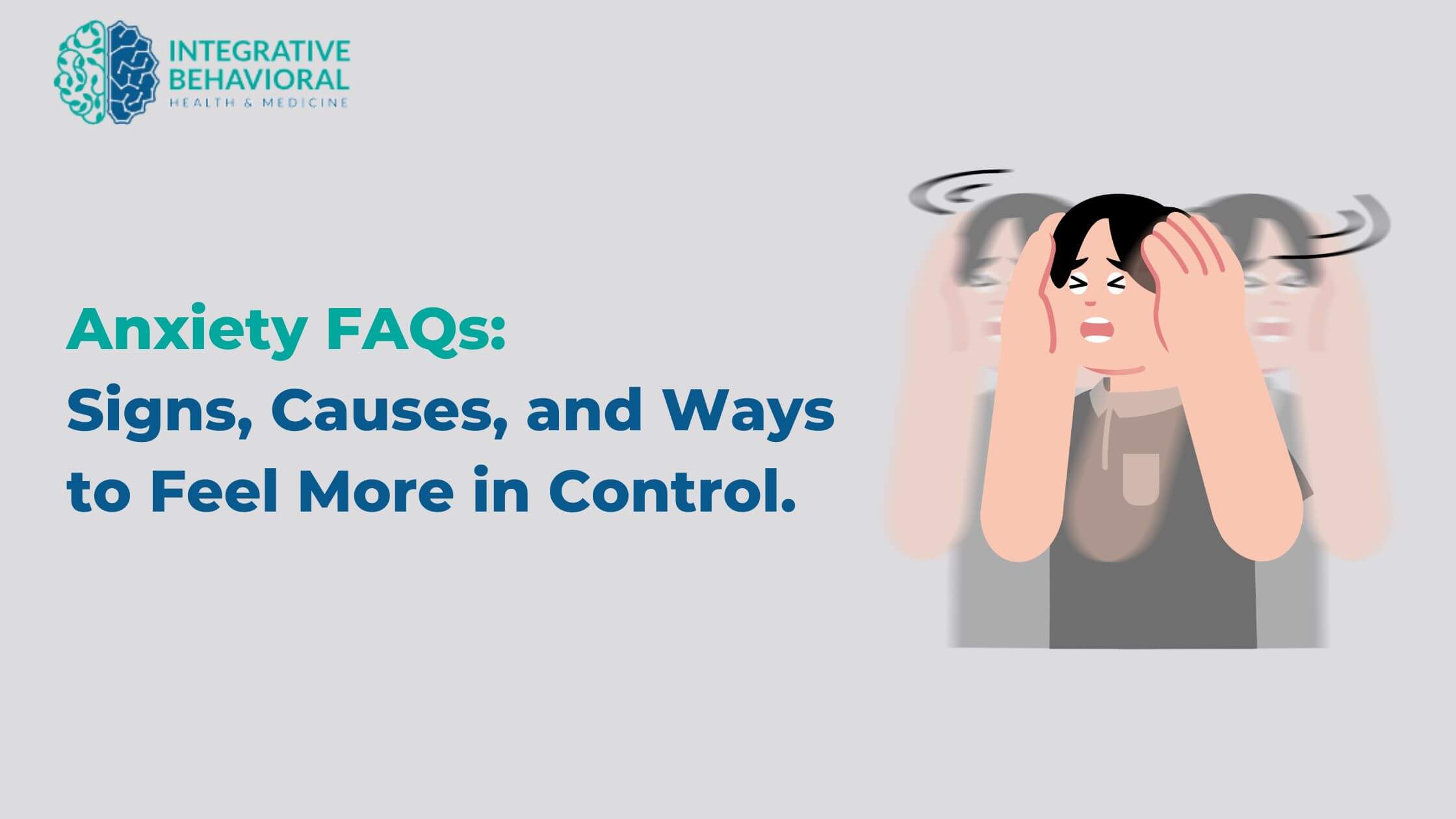
Feeling anxious, restless, or stuck in your thoughts? Here are simple answers to help you understand anxiety and handle everyday situations a little better.
Read More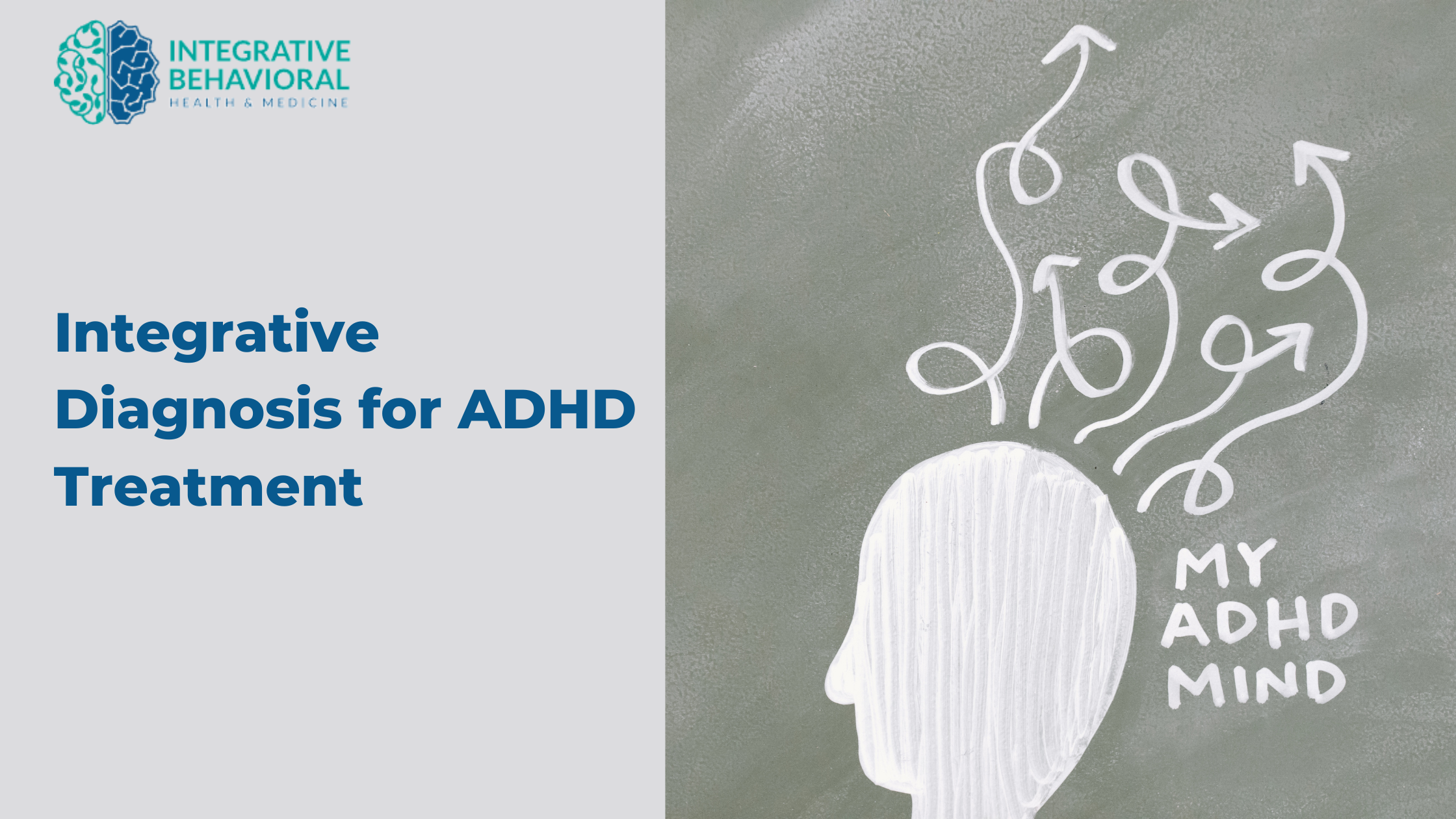
Integrative Diagnosis and Treatment of ADHD
Read More
Common ADHD Triggers Explained
Read More
Integrative Treatment of Brain Fog
Read More
A Comprehensive Guide to Psychiatry and Mental Well-Being
Read More
What Science Says About the Mind-Body Connection for Better Health
Read More
‘Insta-gratification’ is so addictive—so are all social media apps. Isn’t it? Just why it is important to pay close attention to the interconnected nature of social media and mental health.
Read More