 contact@ibhm.us
 +1 866 362 4246

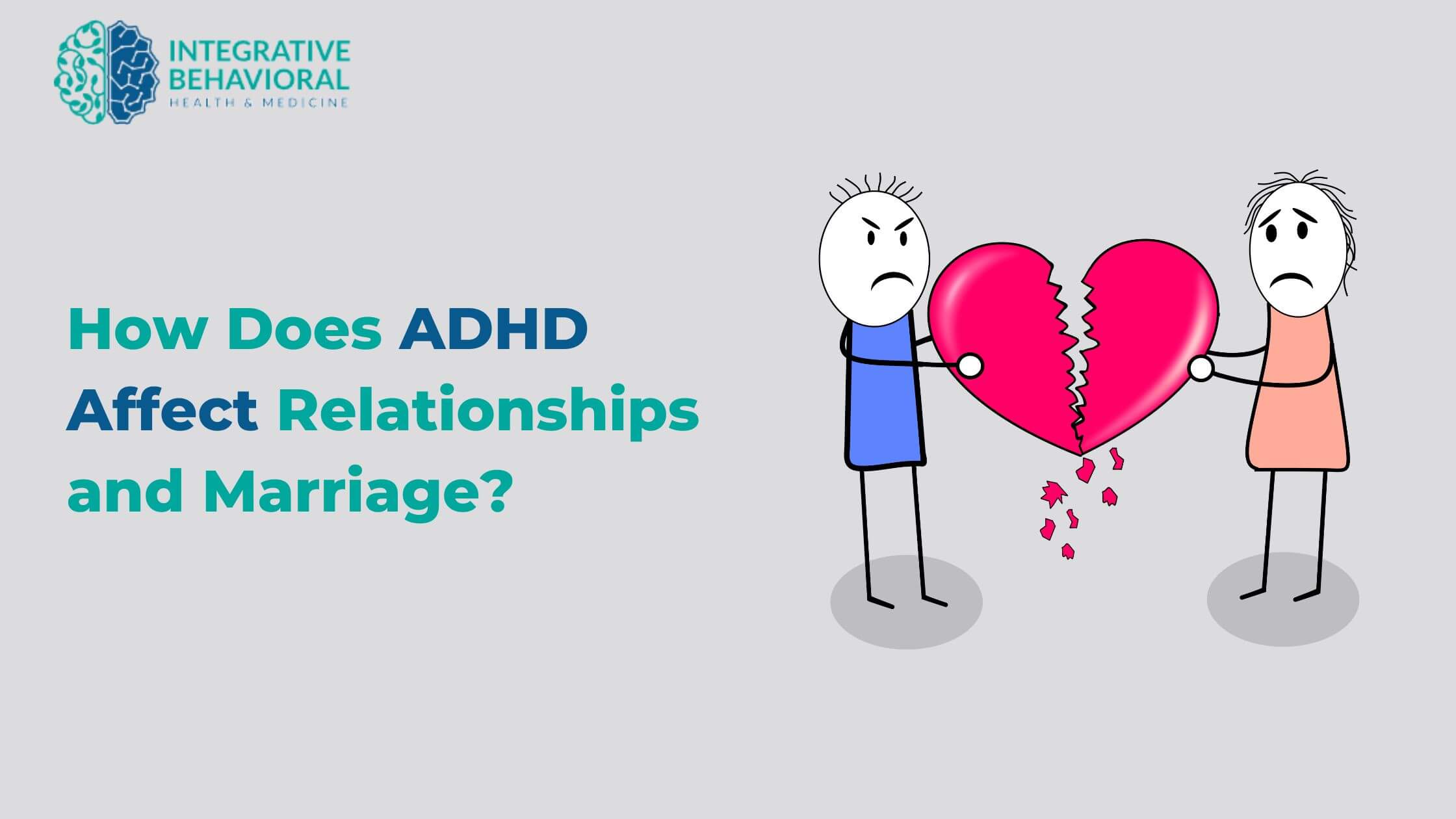
Understand the signs, communication struggles, emotional challenges, and practical ways couples can build healthier, more supportive relationships when ADHD affects marriage and daily life.

Relationships are rarely perfect. Every couple has disagreements, emotional ups and downs, and periods where communication feels difficult. But when one partner has Attention-Deficit/Hyperactivity Disorder (ADHD), those everyday relationship challenges can sometimes become more intense, confusing, and emotionally draining.
For many couples, ADHD affects much more than focus or productivity. It can influence communication, emotional connection, daily responsibilities, intimacy, trust, and even the overall balance of the relationship. In some marriages, ADHD goes unnoticed for years, with partners believing they are simply “bad at communication” or “always arguing over small things.”
The truth is that ADHD can affect relationships deeply - but understanding the condition can also help couples work through these challenges in healthier and more supportive ways.
This article explores how ADHD affects relationships and marriage, the common signs couples experience, why misunderstandings happen so often, and practical ways partners can support each other without blame or resentment.
When people hear the word ADHD, they often think about distraction, hyperactivity, or difficulty concentrating. While those symptoms are real, ADHD is actually a complex neurodevelopmental condition that can also affect:
Emotional regulation
Impulse control
Memory
Time management
Listening skills
Organization
Stress tolerance
Communication patterns
These challenges may not only affect work or school - they often appear most strongly inside close relationships.
In marriage or long-term partnerships, emotional closeness requires consistency, communication, reliability, patience, and mutual understanding. ADHD can interfere with these areas, especially when symptoms are unmanaged or misunderstood.
One of the most common ADHD-related relationship struggles is forgetfulness.
A partner with ADHD may:
Forget important dates
Miss appointments
Leave tasks unfinished
Forget conversations
Lose track of responsibilities
Seem distracted during discussions
Over time, the non-ADHD partner may begin feeling ignored, unimportant, or emotionally neglected.
For example, forgetting to pick up groceries occasionally may not seem serious. But when repeated patterns happen consistently, the other partner may start thinking:
“Why do I always have to remind them?”
“Why don’t they listen to me?”
“Do they even care?”
In many cases, the issue is not lack of love - it is difficulty with executive functioning and memory regulation.
ADHD can make communication harder in several ways.
A person with ADHD may:
Interrupt conversations impulsively
Drift off mentally during discussions
React emotionally before thinking
Struggle to process criticism calmly
Forget what was discussed earlier
Change topics quickly
This can make the other partner feel unheard or emotionally disconnected.
Arguments may escalate faster because impulsive emotional reactions are common in adults with ADHD. Small disagreements can suddenly become intense conversations.
At the same time, the ADHD partner may feel constantly criticized or misunderstood.
This creates a painful cycle:
One partner feels ignored
The other feels attacked
Communication becomes defensive
Emotional distance grows
Without awareness of ADHD patterns, couples often blame personality instead of understanding the underlying neurological challenges.
Many adults with ADHD struggle with emotional regulation.
This means emotions may feel:
Stronger
Faster
Harder to calm down
Difficult to manage during stress
In relationships, this can appear as:
Sudden frustration
Mood swings
Emotional outbursts
Sensitivity to criticism
Withdrawal after conflict
Some people with ADHD also experience Rejection Sensitive Dysphoria (RSD), where perceived criticism or disappointment feels emotionally overwhelming.
As a result, even minor disagreements may feel extremely painful.
The non-ADHD partner may become cautious about bringing up concerns because conversations quickly become emotionally intense.
In many ADHD-affected marriages, one partner gradually takes on more responsibilities.
This may include:
Managing schedules
Paying bills
Organizing the home
Remembering appointments
Handling children’s routines
Planning important tasks
Over time, the non-ADHD partner may begin feeling more like a parent than an equal partner.
Meanwhile, the ADHD partner may feel ashamed, overwhelmed, or frustrated by repeated mistakes.
This imbalance can create resentment on both sides.
One partner feels exhausted. The other feels constantly judged.
Neither person usually intended for the relationship to feel this way.
ADHD can also affect emotional and physical intimacy.
Some couples experience:
Difficulty staying emotionally present
Reduced affection during stressful periods
Forgetting emotional needs
Trouble maintaining routines around connection
Increased conflict that affects closeness
However, ADHD relationships are not always emotionally distant.
In fact, many people with ADHD are deeply passionate, affectionate, creative, emotionally expressive, and spontaneous. Early stages of relationships may feel exciting and intense.
The challenge often appears later when daily structure, responsibilities, and long-term consistency become necessary.
The emotional impact of ADHD does not only affect the person diagnosed.
Partners may experience:
Mental exhaustion
Chronic frustration
Loneliness
Feeling emotionally unsupported
Increased anxiety
Burnout from managing responsibilities
Some begin questioning the relationship itself.
Others may feel guilty for being frustrated because they know ADHD is a real condition.
This emotional confusion is common in ADHD-affected marriages.
The goal is not to blame either partner. ADHD is not caused by laziness, lack of love, or intentional carelessness. But unmanaged symptoms can still affect relationships in serious ways.
Yes, many relationships become healthier once ADHD is recognized and properly addressed.
Awareness changes the conversation.
Instead of:
“You never listen.”
“You don’t care.”
“You’re irresponsible.”
Couples begin understanding patterns such as:
Executive dysfunction
Emotional regulation difficulties
Attention shifts
Impulsivity
Overstimulation
This understanding often reduces shame and blame.
Healthy ADHD relationships usually improve through teamwork rather than criticism.
Simple communication strategies can reduce misunderstandings significantly.
Helpful habits include:
Having calm conversations instead of discussing issues during emotional moments
Writing down important tasks or plans
Using reminders and shared calendars
Repeating key information clearly
Avoiding assumptions
Taking short breaks during heated arguments
Communication works better when both partners feel safe rather than defensive.
Instead of expecting one partner to “remember everything,” couples can create systems together.
Examples include:
Shared digital calendars
Reminder apps
Written schedules
Task checklists
Consistent routines
ADHD management is often more successful when systems reduce memory overload.
Understanding emotional sensitivity helps couples avoid unnecessary conflict.
For example:
Criticism may feel overwhelming
Interruptions may trigger frustration
Stress may worsen impulsive reactions
Recognizing these patterns allows couples to respond with more patience and awareness.
Therapy can help couples understand ADHD-related patterns more clearly.
Support may include:
Individual therapy
Couples counseling
ADHD coaching
Behavioral strategies
Stress management techniques
An integrative mental health approach may also explore sleep, stress, nutrition, lifestyle balance, and emotional well-being together.
One of the biggest misconceptions about ADHD is that it automatically destroys relationships.
That is not true.
Many couples build strong, loving, long-lasting marriages while managing ADHD.
In fact, some ADHD traits can positively affect relationships, including:
Creativity
Spontaneity
Passion
Humor
Curiosity
Emotional intensity
Problem-solving skills
The key difference is whether both partners understand the condition and work together instead of against each other.
ADHD becomes far more manageable when couples stop viewing challenges as personal failures.
So, how does ADHD affect relationships and marriage?
It can affect communication, emotional connection, memory, responsibilities, conflict patterns, and intimacy. Over time, misunderstandings may lead to frustration, resentment, or emotional distance.
But ADHD does not mean a relationship cannot succeed.
With awareness, communication, structure, emotional support, and proper management strategies, couples can build healthier and more understanding relationships.
The most important step is recognizing that many ADHD-related behaviors are connected to neurological patterns - not lack of love or effort.
We have some of the best doctors and therepists on our panel. We are here to provide the best care for you. Although we may not be always perfect, but we strive to provide the best care and experience to our patients.
























We are in network with most major insurance providers in California. If you do not see your insurance provider here, please call us. We may still be able to serve you. All our providers can provide services on cash basis as well. NOTE: Our naturopathy services are not covered by any insurance, and is a cash only service.

















Bridging Conventional and Complementary Approaches
Read More
Harnessing Holistic Healing for Mental Health Success, an in-depth explanation
Read More
Struggling to stay focused or organized? Here are simple answers to help you understand ADHD and handle everyday situations better.
Read More
Achieve Hormone Balance and Mental Health to Understand the Intimacy Between Mood Swings and Molecules
Read More
When Trauma Prevails—How to Manage PTSD With Integrative Medicine
Read More
‘Insta-gratification’ is so addictive—so are all social media apps. Isn’t it? Just why it is important to pay close attention to the interconnected nature of social media and mental health.
Read More
The Transformative Role of Supplements
Read More
.
Read More
Nutrition in Complementary and Alternative Medicine
Read More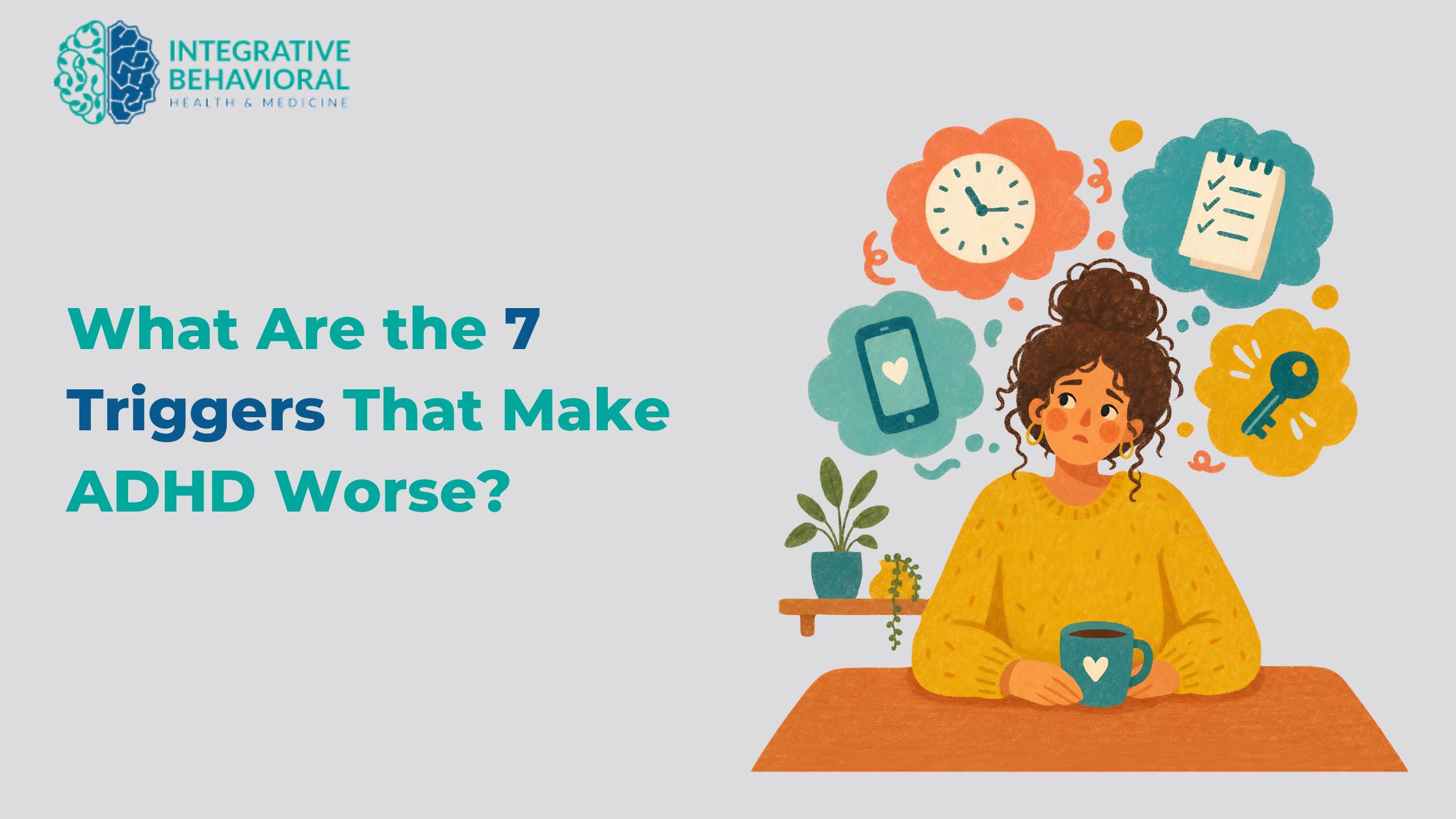
Common ADHD Triggers Explained
Read More
Supporting Your Health Through Evidence-Based Integrative Care
Read More
A closer look at how constant AI exposure shapes stress, mood, and mental well-being in the digital age.
Read More
A Comprehensive Guide
Read More
What Science Says About the Mind-Body Connection for Better Health
Read More
ADHD treatment
Read More
Exploring how short-form content is shaping mental health awareness, ADHD and anxiety education, and digital outreach in California
Read More
Integrative Diagnosis and Treatment of ADHD
Read More
Understand the real impact of depression and ways to seek support.
Read More
LGBTQ Issues
Read More
Feeling anxious, restless, or stuck in your thoughts? Here are simple answers to help you understand anxiety and handle everyday situations a little better.
Read More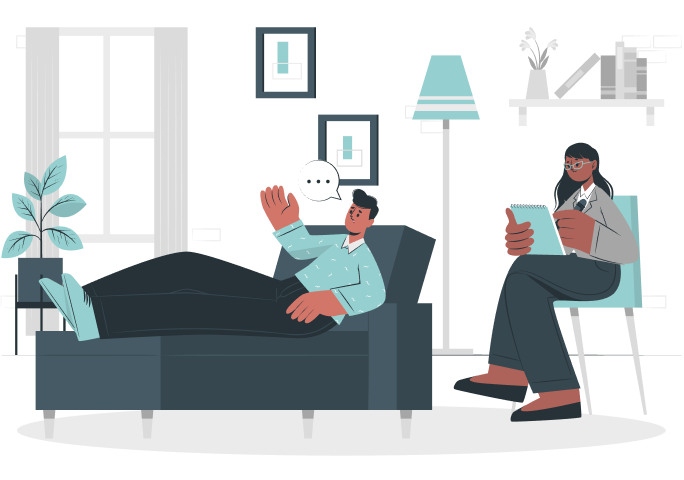
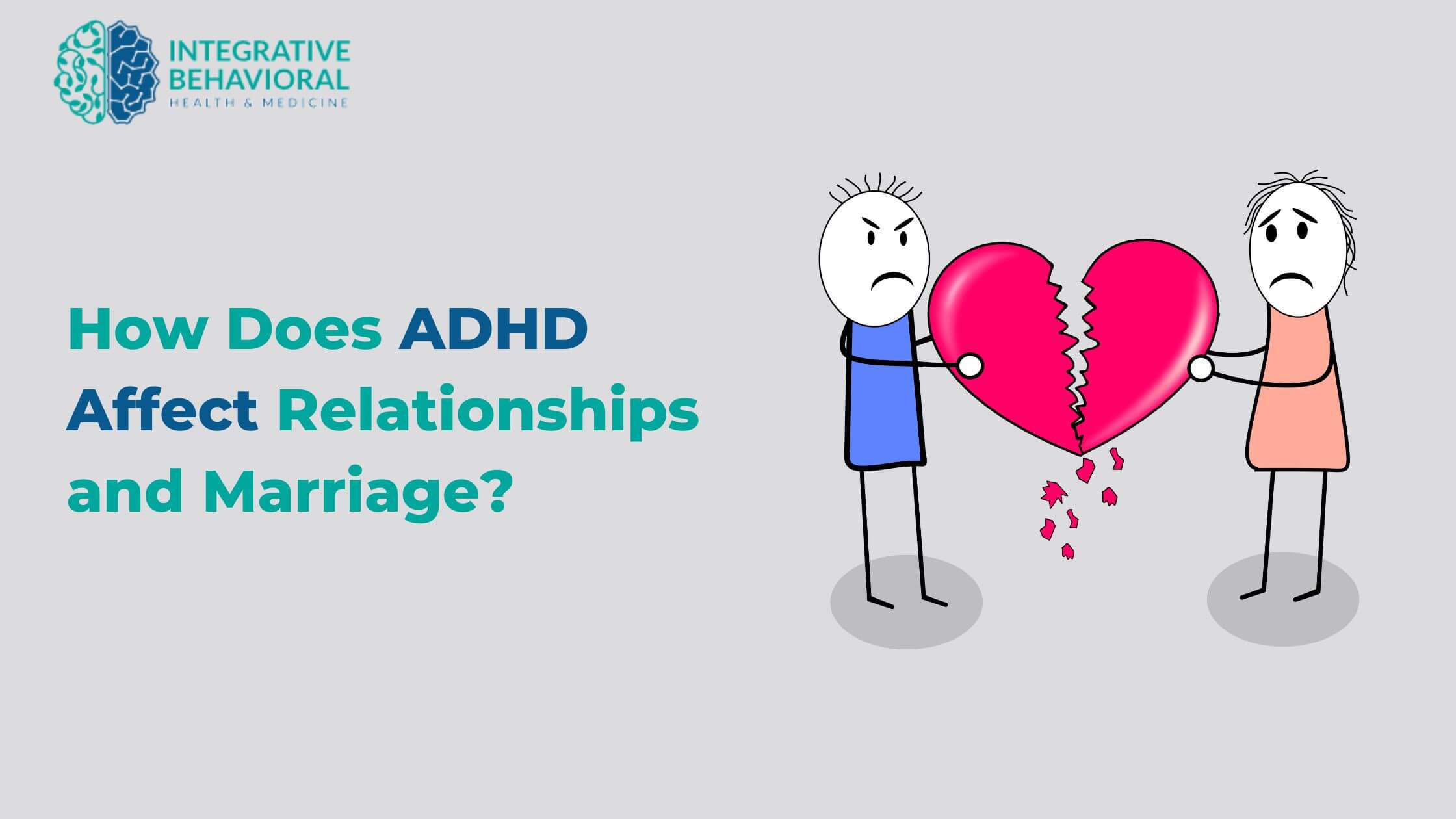
Understand the signs, communication struggles, emotional challenges, and practical ways couples can build healthier, more supportive relationships when ADHD affects marriage and daily life.
Read More
Anxiety and Integrative Medicine - Healing Anxiety and Its Causes Inside Out
Read More
Treatment of depression using Integrative Medicine
Read More
Integrative Treatment of Brain Fog
Read More
Naturopathy in Modern Integrative Healthcare
Read More
A Comprehensive Guide to Psychiatry and Mental Well-Being
Read More
Feeling low, tired, or not like yourself lately? Here are simple answers to help you understand depression and what it can look like in everyday life.
Read More