 contact@ibhm.us
 +1 866 362 4246

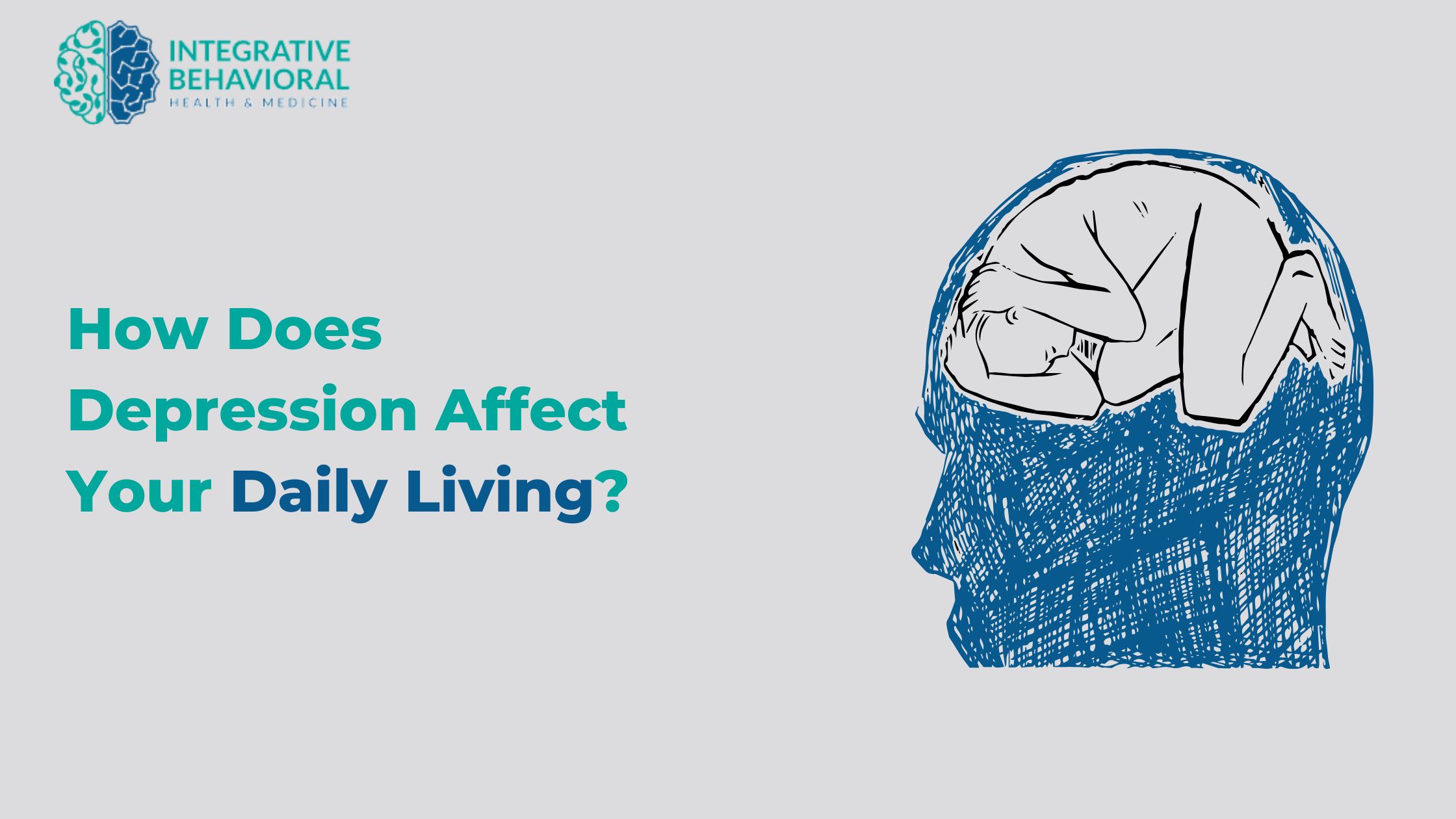
Understand the real impact of depression and ways to seek support.

Depression is often misunderstood as simply “feeling sad.”
But for many people, depression affects much more than emotions. It can influence energy levels, relationships, concentration, motivation, sleep, physical health, work performance, and even simple everyday tasks.
Some people with depression continue going to work, attending classes, caring for family members, or maintaining responsibilities from the outside. Yet internally, even getting through the day may feel exhausting.
That is one reason depression is sometimes difficult to recognize. It does not always look dramatic. Sometimes it looks like emotional numbness, constant fatigue, losing interest in life, or struggling quietly while appearing “fine” to everyone else.
Understanding how depression affects daily living can help people recognize symptoms earlier, support loved ones more compassionately, and seek proper care before symptoms become more overwhelming.
Depression is a mental health condition that can impact multiple areas of life at the same time.
It may affect:
Thoughts
Emotions
Energy levels
Sleep patterns
Appetite
Relationships
Productivity
Physical health
Motivation
Self-esteem
Because depression affects the brain and nervous system, it can influence how a person experiences everyday life emotionally, mentally, and physically. This is why depression can make even ordinary tasks feel unusually difficult.
One of the most common effects of depression is loss of energy and motivation.
Activities that once felt simple may suddenly require enormous mental effort, including:
Getting out of bed
Taking a shower
Replying to messages
Cooking meals
Cleaning the house
Going to work
Running errands
People with depression are often misunderstood as lazy or unmotivated. In reality, depression can create a deep sense of mental and physical exhaustion that affects the ability to function normally.
Even making small decisions may feel overwhelming. For some individuals, the hardest part is not doing difficult tasks - it is starting anything at all.
Depression often affects concentration, focus, memory, and decision-making.
At work or school, this may appear as:
Difficulty focusing
Forgetting tasks
Low productivity
Mental fatigue
Trouble meeting deadlines
Increased mistakes
Feeling mentally “checked out”
Some people describe depression as feeling mentally slowed down, while others experience constant racing negative thoughts that make concentration difficult. Over time, this can affect confidence and self-esteem.
A person may begin feeling:
“I’m falling behind.”
“I’m not good enough.”
“I can’t handle simple things anymore.”
This emotional pressure can make symptoms even worse.
Depression can also affect how people connect with others emotionally.
Someone experiencing depression may:
Withdraw socially
Avoid conversations
Lose interest in activities
Feel emotionally numb
Struggle to express feelings
Become easily irritated
Feel disconnected from loved ones
Friends and family sometimes misunderstand this behavior.
They may think:
“Why are they ignoring me?”
“Why don’t they want to go anywhere anymore?”
“Why are they so distant?”
But often, the person is struggling internally with emotional exhaustion or hopelessness. Depression can make social interaction feel draining, even with people they care about deeply.
Sleep problems are extremely common in depression.
Some people sleep far more than usual.
Others struggle to sleep at all.
Depression-related sleep issues may include:
Insomnia
Waking up frequently
Sleeping too much
Feeling tired after sleeping
Difficulty falling asleep
Low energy throughout the day
Poor sleep can then worsen:
Mood
Concentration
Stress tolerance
Emotional regulation
This creates a cycle where depression affects sleep, and sleep problems intensify depression symptoms.
Depression is not only emotional - it can also affect the body physically.
Some people experience:
Headaches
Muscle tension
Body aches
Low energy
Appetite changes
Digestive discomfort
Fatigue
Reduced physical activity
Stress hormones and emotional exhaustion can influence the nervous system and physical well-being over time. This is one reason untreated depression may eventually affect overall health and daily functioning.
One of the strongest indicators of depression is losing interest in things that once felt enjoyable.
This may include:
Hobbies
Music
Social activities
Exercise
Relationships
Career goals
Personal passions
A person may continue doing these activities physically but no longer feel emotionally connected to them. This symptom is often called emotional numbness or loss of pleasure.
People sometimes describe it as:
“I don’t feel excited about anything anymore.”
“Everything feels flat.”
“I’m just going through the motions.”
This emotional emptiness can feel confusing and isolating.
Depression frequently changes the way people think about themselves.
Negative thoughts may become constant, including:
“I’m a burden.”
“Nothing will improve.”
“I’m failing.”
“I’m not good enough.”
“Nobody understands me.”
Over time, these thoughts can affect confidence, relationships, motivation, and emotional health. People living with depression are often much harder on themselves than others realize.
Even small mistakes may feel emotionally overwhelming.
Many people with depression slowly isolate themselves without fully realizing it.
They may:
Cancel plans
Stop replying to messages
Avoid social gatherings
Spend more time alone
Withdraw emotionally
While isolation may feel temporarily easier, long-term loneliness can intensify depression symptoms. Human connection plays an important role in emotional health. Even small supportive interactions can help reduce feelings of hopelessness or emotional disconnection.
Depression affects everyone differently.
Some people appear visibly sad.
Others seem emotionally numb.
Some continue functioning normally while struggling internally every day.
High-functioning depression can be especially difficult to recognize because people may still:
Work regularly
Smile socially
Maintain responsibilities
Appear “fine” externally
This is why many people silently struggle for months or even years before seeking help.
Depression often becomes harder to manage when ignored for long periods.
Early support may help reduce:
Emotional exhaustion
Isolation
Stress
Relationship difficulties
Sleep problems
Severe depressive episodes
Support may include:
Therapy
Counseling
Lifestyle support
Stress management
Integrative mental health approaches
Emotional support systems
Recovery from depression usually does not happen overnight. For many people, improvement begins with small, manageable changes such as:
Rebuilding routines
Improving sleep habits
Talking to supportive people
Spending time outdoors
Reducing isolation
Practicing stress management
Seeking professional guidance
Small progress still matters. Some days may feel easier than others, and that is normal during recovery.
It may help to seek professional support if depression begins affecting:
Daily responsibilities
Relationships
Sleep
Appetite
Work or school performance
Motivation
Emotional stability
Thoughts about self-worth or hopelessness
Mental health professionals can help identify symptoms, emotional patterns, stress factors, and personalized treatment approaches. An integrative approach may also explore how lifestyle, stress, emotional health, sleep, and physical wellness interact together.
So, how does depression affect your daily living?
Depression can affect nearly every part of life, including energy, sleep, relationships, concentration, self-esteem, physical health, and emotional well-being. Simple tasks may feel overwhelming. Motivation may disappear. Emotional connection may become harder. Daily routines can start feeling exhausting even when others cannot see the struggle externally.
But depression is treatable, and support is available. Understanding the impact of depression is an important first step toward recognizing symptoms early, reducing shame, and seeking meaningful support.
No one has to manage depression entirely alone.
We have some of the best doctors and therepists on our panel. We are here to provide the best care for you. Although we may not be always perfect, but we strive to provide the best care and experience to our patients.
























We are in network with most major insurance providers in California. If you do not see your insurance provider here, please call us. We may still be able to serve you. All our providers can provide services on cash basis as well. NOTE: Our naturopathy services are not covered by any insurance, and is a cash only service.

















A Comprehensive Guide
Read More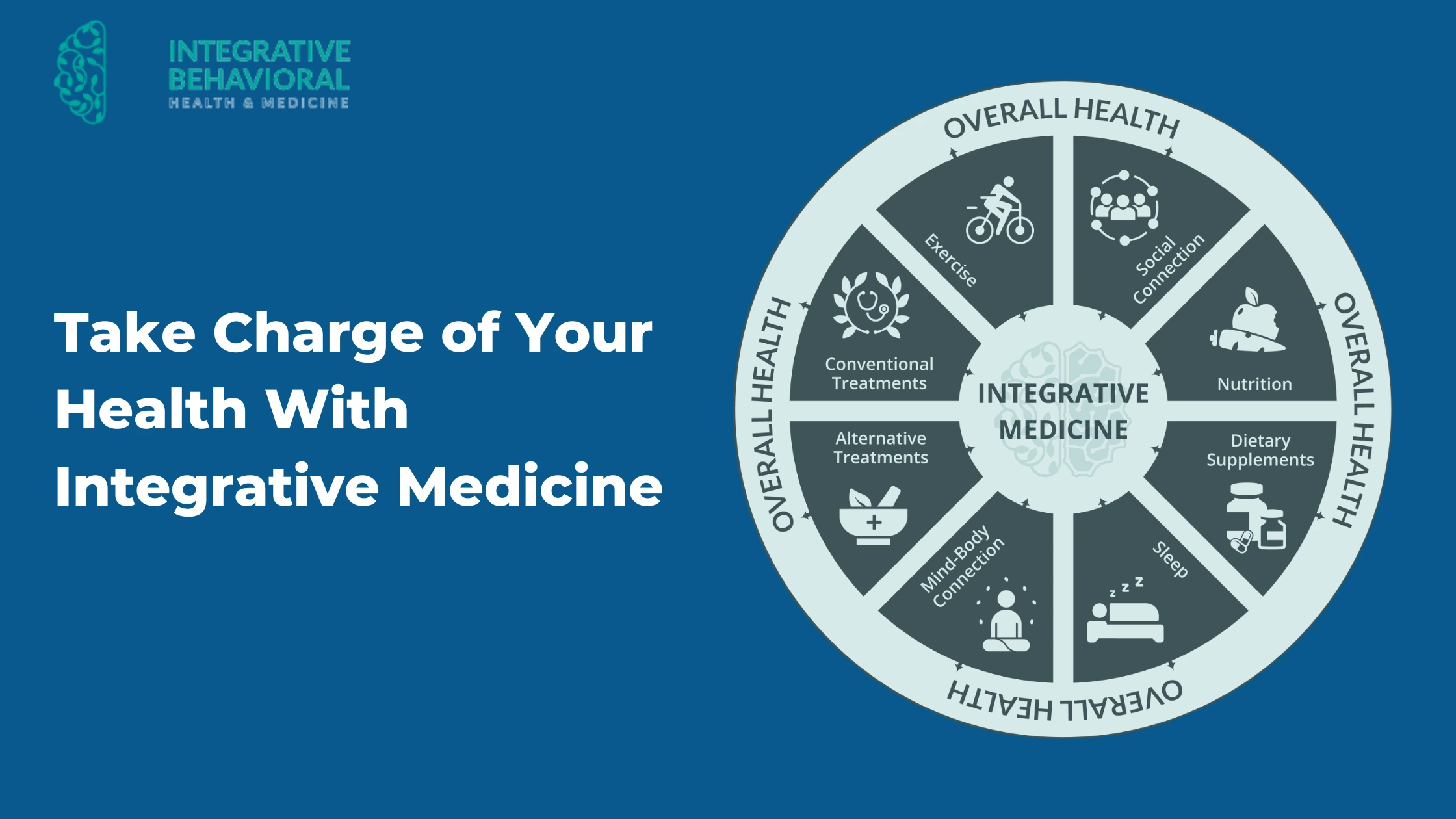
Supporting Your Health Through Evidence-Based Integrative Care
Read More
LGBTQ Issues
Read More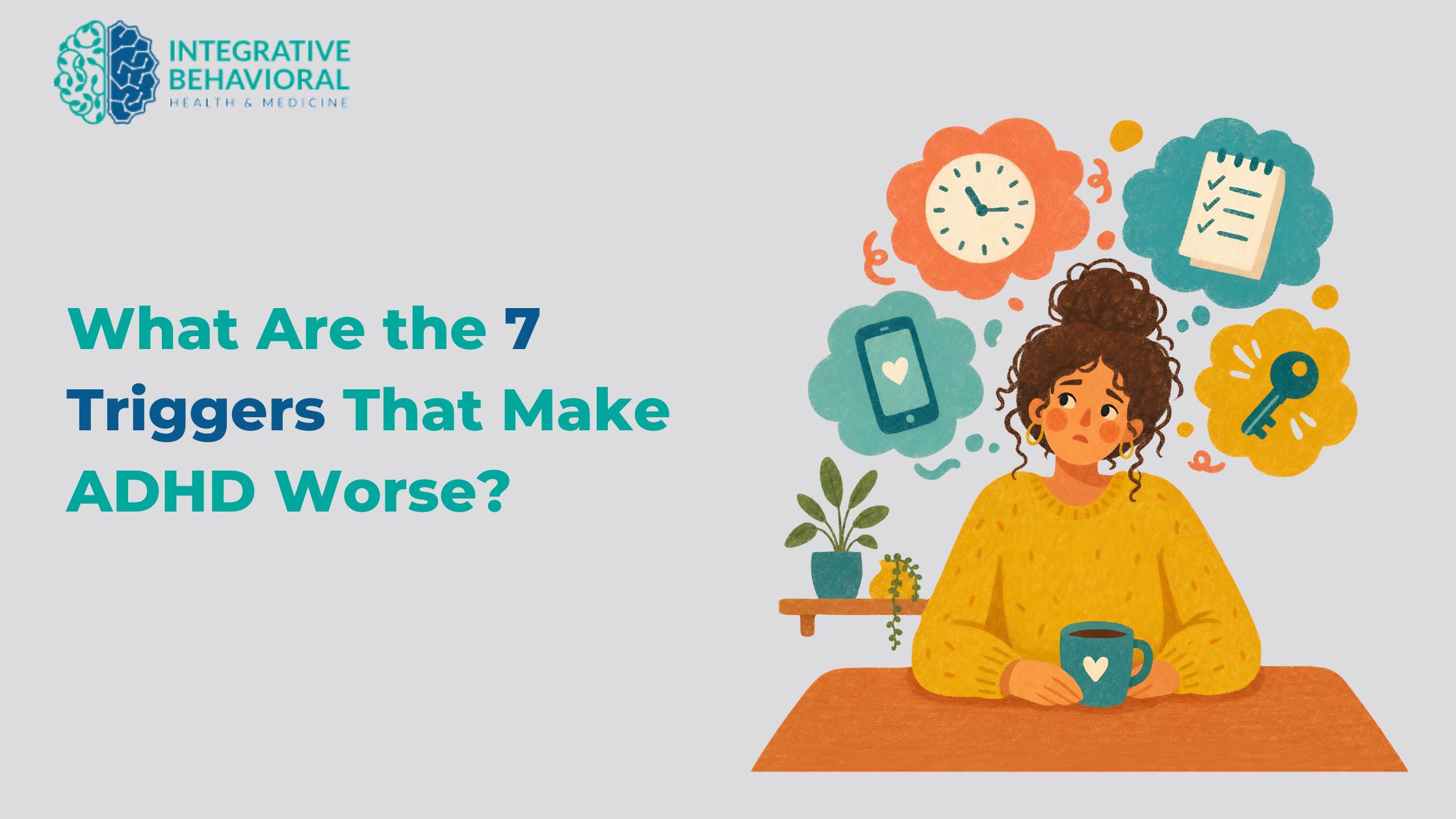
Common ADHD Triggers Explained
Read More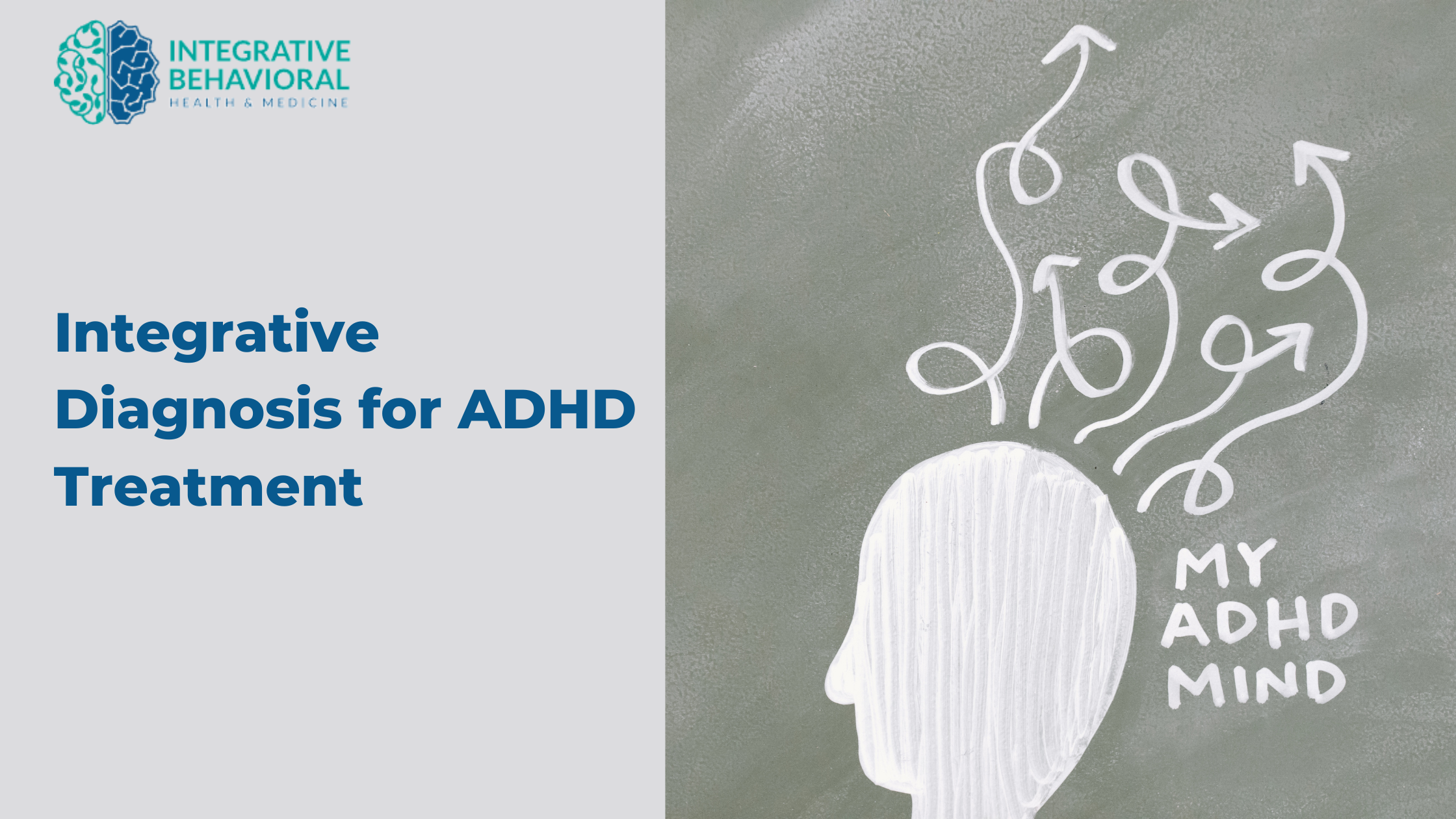
Integrative Diagnosis and Treatment of ADHD
Read More
Struggling to stay focused or organized? Here are simple answers to help you understand ADHD and handle everyday situations better.
Read More
‘Insta-gratification’ is so addictive—so are all social media apps. Isn’t it? Just why it is important to pay close attention to the interconnected nature of social media and mental health.
Read More
Nutrition in Complementary and Alternative Medicine
Read More
Integrative Treatment of Brain Fog
Read More
When Trauma Prevails—How to Manage PTSD With Integrative Medicine
Read More
A Comprehensive Guide to Psychiatry and Mental Well-Being
Read More
Treatment of depression using Integrative Medicine
Read More
Feeling anxious, restless, or stuck in your thoughts? Here are simple answers to help you understand anxiety and handle everyday situations a little better.
Read More
What Science Says About the Mind-Body Connection for Better Health
Read More
Bridging Conventional and Complementary Approaches
Read More
ADHD treatment
Read More
Achieve Hormone Balance and Mental Health to Understand the Intimacy Between Mood Swings and Molecules
Read More
Exploring how short-form content is shaping mental health awareness, ADHD and anxiety education, and digital outreach in California
Read More
A closer look at how constant AI exposure shapes stress, mood, and mental well-being in the digital age.
Read More
.
Read More
Understand the real impact of depression and ways to seek support.
Read More
Feeling low, tired, or not like yourself lately? Here are simple answers to help you understand depression and what it can look like in everyday life.
Read More
The Transformative Role of Supplements
Read More
Understand the signs, communication struggles, emotional challenges, and practical ways couples can build healthier, more supportive relationships when ADHD affects marriage and daily life.
Read More
Naturopathy in Modern Integrative Healthcare
Read More
Harnessing Holistic Healing for Mental Health Success, an in-depth explanation
Read More
Anxiety and Integrative Medicine - Healing Anxiety and Its Causes Inside Out
Read More